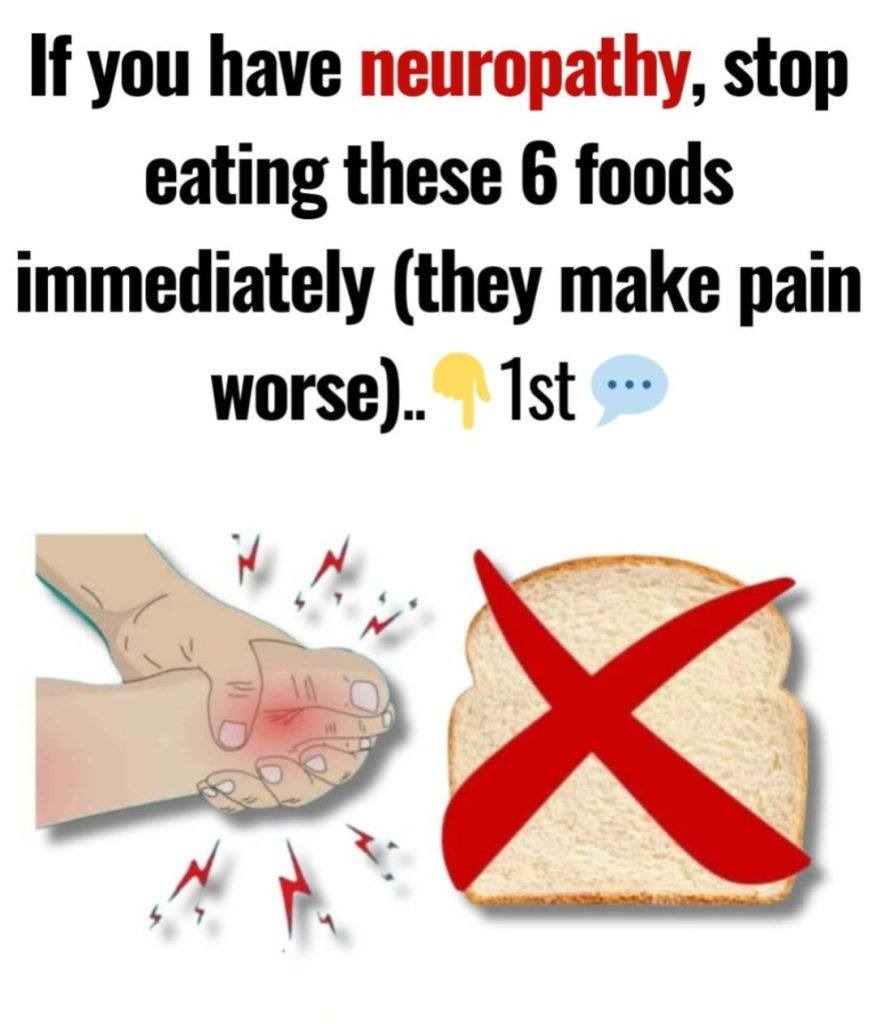
Anything containing gluten should be the first food patients with neuropathy should avoid.
Celiac disease affects the small intestine and interfere with your body’s ability to absorb essential nutrients, which in turn can deprive your nerves of crucial things like vitamin b12.
Although only 1% of the population may be diagnosed with celiac disease, many individuals tend to have gluten sensitivity and allergies.
Gluten can be found in bread, pasta, noodles, cakes, and pastries.
It’s important to check product labels and look for gluten-free products because gluten can also be found in unexpected foods, such as regular soy sauce.
Despite its name, soy sauce is usually made with wheat, soybeans, salt and water, which means most soy sauces contain gluten. The good news is that some soy sauces are truly gluten-free.
2. Trans fats
High-fat diets that are loaded with trans fats, also known as “unhealthy fats,” can cause
inflammation and raise the risk of type 2 diabetes, which can worsen peripheral neuropathy.
Consuming a well-balanced diet that’s low in trans fat can help reduce your risk of triggering nerve pain.
Fried fast foods, such as fried chicken, battered fish, doughnuts, french fries, and mozzarella sticks, can all contain high levels of trans fat.
Instead, focus on eating moderate amounts of monounsaturated fats from food sources like avocados, almonds, and some flax seeds, which have heart-protective omega-3 fatty acids.
3. Alcohol
Having a drink once in a while isn’t a big problem. However, drinking alcohol in excess can not only aggravate your neuropathy symptoms they can also harm your overall health.
Alcoholic neuropathy is characterized by spontaneous burning pain, hyperalgesia, and allodynia. This happens because long-term excessive alcohol consumption have damaged your nerves.
If alcohol triggers nerve pain, muscle weakness, tingling, burning, and cramps, it’s time to put the glass down and quit.
