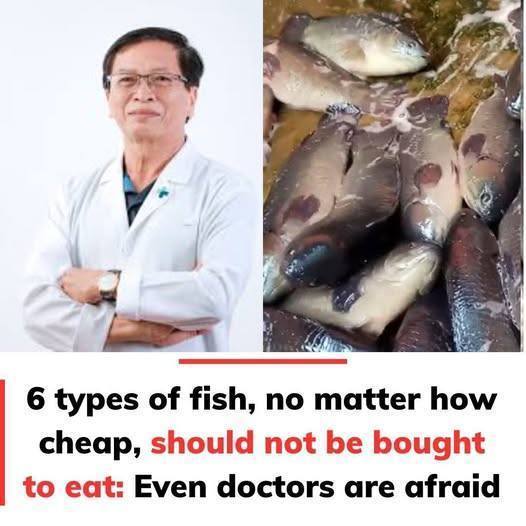
Even if a fish is a bargain, its low price often comes with a high cost to your health, the environment, or both. Many of the cheapest options on the market are plagued by contamination, unsustainable fishing practices, or poor farming conditions.
Here are 6 types of fish and seafood that experts often advise against eating, regardless of the price:
1. Tilapia
Tilapia is one of the most widely consumed and cheapest fish, but much of it comes with concerns about its farming practices.
Contamination Concerns: A lot of imported tilapia is farmed overseas in overcrowded, poor conditions where fish may be exposed to illegal chemicals and antibiotics. Some reports have even circulated about the fish being fed animal waste.
Nutritional Value: When compared to many other fish, tilapia is lower in beneficial omega-3 fatty acids and may have higher levels of omega-6 fatty acids, which can potentially promote inflammation when consumed in excess.
2. Imported Catfish (Basa, Swai, Pangasius)
Imported varieties of catfish, often labeled as Basa, Swai, or Pangasius, are notoriously cheap but should be avoided due to environmental and food safety issues.
Pollution and Antibiotics: This fish is mainly farmed in Southeast Asia, particularly Vietnam, where poor environmental practices, water pollution, and the use of antibiotics and chemicals banned in other countries are common.
Mislabeling: There have also been instances where other fish species were sold under the Basa name.
3. Atlantic Cod
While delicious, the Atlantic cod population has been severely impacted by historical overfishing, causing its population to plummet.
Sustainability Issues: Despite efforts to recover the population, Atlantic cod is still considered vulnerable and is not a sustainable choice.
Better Alternative: If you want cod, opt for cod sourced from Alaska that is caught using longline, pot, or jig methods.
4. Farmed Salmon (especially “Atlantic Salmon”)
Most salmon consumed in the U.S. is the unhealthiest variety: farmed salmon.
Poor Conditions: The majority of salmon marketed as “Atlantic” salmon is farmed in conditions that are often ridden with bacteria, parasites, feces, and pesticides.
Environmental Impact: Farmed salmon can also be lower in omega-3s and have higher levels of contaminants compared to wild-caught varieties.
5. Orange Roughy
This deep-sea fish is often available for cheap but comes with two major red flags.
High Mercury: Orange roughy can live for 100 years or more, and this long life cycle means it has accumulated high levels of mercury and other toxins.
Overfishing Vulnerability: Because it is slow to reproduce, the species is vulnerable to overfishing.
6. Chilean Sea Bass (Patagonian Toothfish)
This fish, known for its buttery taste, is not sustainable and often carries a high contaminant load.
Overfishing: The species is slow-growing and has been fished to near depletion.
Contaminants: Due to high mercury levels, health advisories suggest limiting consumption. For example, some advisories recommend that adults eat no more than two meals per month.
Instead of choosing fish based on price alone, prioritize sustainable and healthier alternatives like:
Sardines (Pacific, wild-caught): Inexpensive, high in omega-3s, and a highly sustainable choice.
Mackerel: A cheaper alternative to salmon and tuna.
Farmed Rainbow Trout: Most farmed trout are raised in protected environments and are a safer choice than lake trout.
