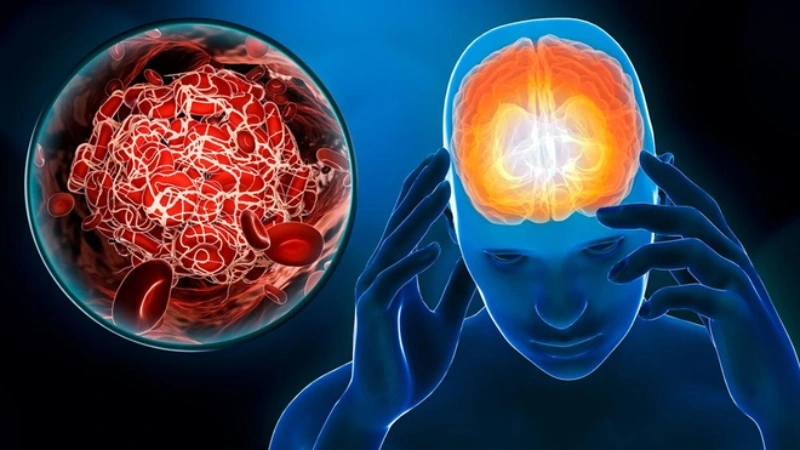
A stroke is often viewed as a sudden, unpredictable event. However, research suggests that for many patients, the body sends out “warning shots” days or even a full week before a major stroke occurs. These warning signs, known as Transient Ischemic Attacks (TIAs), are temporary blockages of blood flow to the brain. While they don’t cause permanent damage, they are the loudest alarm your body can sound.
The 7-Day Warning
Studies have shown that up to 43% of stroke patients experienced TIA symptoms in the week leading up to their major stroke. Because these symptoms often disappear within minutes or hours, many people dismiss them as a “funny turn” or exhaustion.
Ignoring these signs is a dangerous gamble; about 1 in 10 people who experience a TIA will have a major stroke within one week.
Subtle Signs to Watch For
While a full-blown stroke is often dramatic, the “pre-stroke” symptoms during the preceding week can be subtle and fleeting. Watch for the sudden onset of:
Temporary Vision Loss: A sensation often described as a “dark curtain” coming down over one eye, or sudden blurred vision that clears up quickly.
Unexplained Dizziness: A sudden loss of balance or vertigo that makes it difficult to walk or stand straight.
Localized Numbness: A “pins and needles” feeling or weakness specifically in one arm, one leg, or one side of the face.
Brief Confusion: Suddenly struggling to find the right word or feeling a “brain fog” where you cannot follow a simple conversation for a few minutes.
Sudden, Severe Headache: A “thunderclap” headache with no known cause, which may indicate a vascular issue.
Remember to Act F.A.S.T.
Medical professionals use the F.A.S.T. acronym to identify both TIAs and strokes. If you notice any of these, even if they go away, call emergency services:
F – Face: Does one side of the face droop when smiling?
A – Arms: When raising both arms, does one drift downward?
S – Speech: Is their speech slurred or strange?
T – Time: If any signs are present, time is of the essence. Call 911 (or your local emergency number) immediately.
Why You Shouldn’t Wait
The “mini” in mini-stroke is a misnomer. A TIA is a medical emergency. Seeking help the moment these symptoms appear allows doctors to identify the cause—such as a blood clot or narrowed artery—and start treatments like blood thinners or surgery that can prevent a life-altering major stroke from ever happening.
Note: This information is for educational purposes and is not a substitute for professional medical advice. If you suspect you or someone else is having a stroke, contact emergency services immediately.
