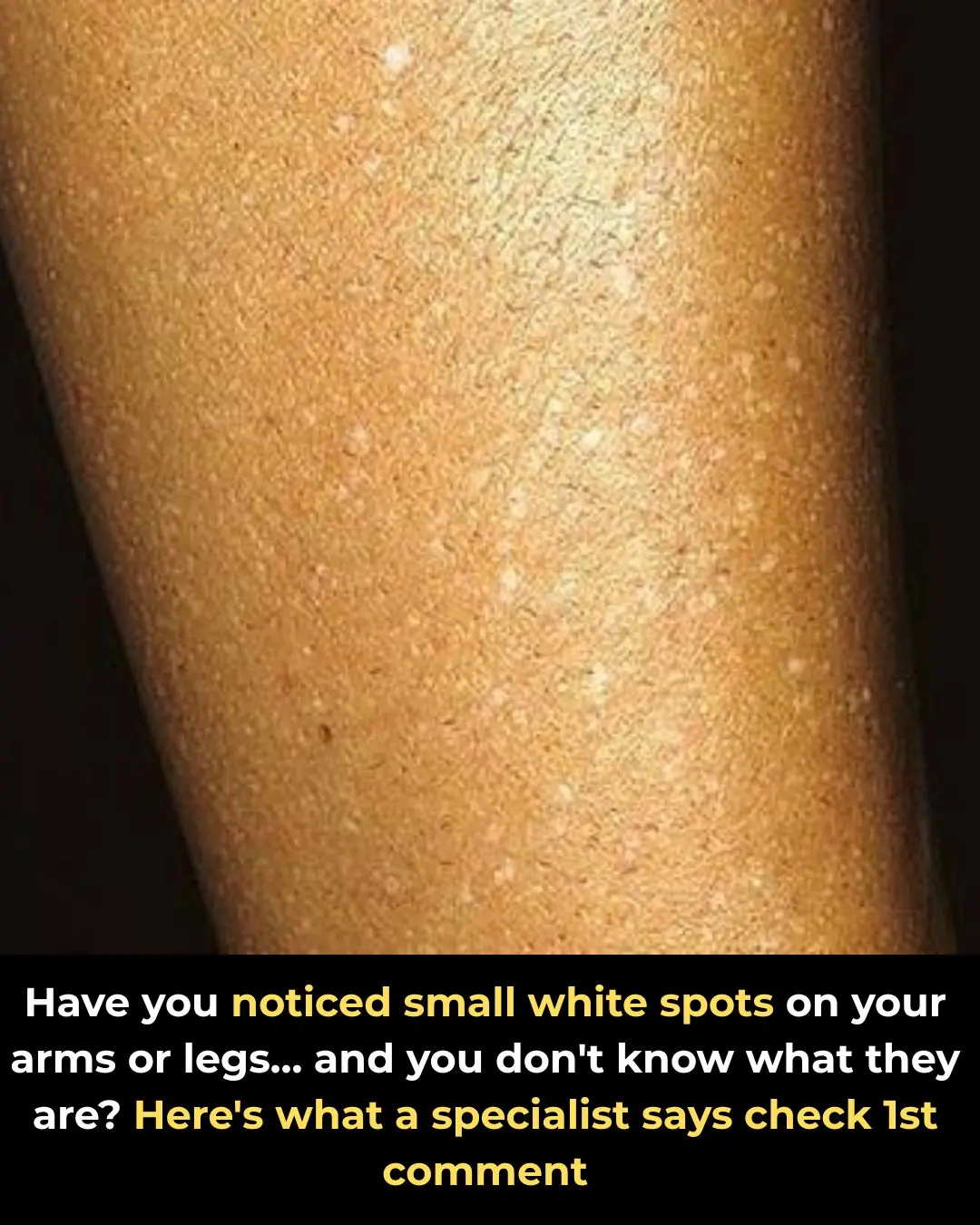
If you’ve looked in the mirror recently and spotted tiny white patches on your arms or legs, you’re definitely not alone. These small, pale spots can be surprising—especially if they appeared out of nowhere. While they often look concerning, in many cases they’re harmless and very common.
What Do These Spots Look Like?
People usually describe them as:
Small, round or oval pale patches
Smooth and slightly lighter than surrounding skin
Sometimes more noticeable after sun exposure
They may appear one at a time or in clusters. They often don’t itch, burn, or hurt—just look different from the rest of your skin.
Possible Causes of White Spots
There are several reasons white spots can show up on arms and legs. Here are the most common:
1. Sun Exposure & Pigment Loss
After spending time in the sun, tiny areas of skin can lose pigment and appear lighter than surrounding skin. This is often more noticeable on darker or tanned skin.
Why it happens:
Sun can gradually break down melanin—the pigment that gives skin its color—resulting in isolated pale patches.
2. Pityriasis Alba
This is a mild skin condition, especially common in children and teens. It causes faint, scaly, light-colored patches that may be more visible after tanning.
Typical features:
Not painful or itchy
Often fade over time
May come and go with dry weather
3. Fungal Infections
Some types of fungal skin infections can show up as discolored patches. These may be paler or slightly different from your normal skin tone.
Signs to Watch For:
Slight itchiness
Spreading or enlarging patches
Often more visible in warm, sweaty areas
4. Vitiligo (Less Common)
Vitiligo causes the loss of pigment in certain areas of the skin. It may appear as smooth white patches and can slowly spread. While it’s less common than other causes, it’s often more noticeable.
Key traits of vitiligo patches:
Distinct borders
May grow over time
Can also appear on face, hands, and around body openings
When to Seek Medical Advice
Most small white spots are harmless, but it’s a good idea to talk to a healthcare provider if:
✅ The spots are spreading rapidly
✅ They’re itchy, painful, or have a rash
✅ You notice changes in texture or shape
✅ They appear with other unusual symptoms
A professional can give you an accurate diagnosis and, if needed, treatment options.
Tips for Managing and Preventing White Spots
Here are a few simple steps that may help:
🌞 Use sunscreen: Protecting your skin from sun damage can help prevent pigment changes.
💧 Moisturize regularly: Especially helpful if dry skin contributes to patches.
🍃 Keep skin clean/dry: Helps reduce risk of fungal growth.
📆 Monitor changes: Taking note of new or growing spots can help your clinician assess them.
Final Thoughts
Seeing small white spots on your skin can be surprising, but in many cases, they’re not a cause for alarm. Whether it’s from mild pigment changes, dryness, or a condition like pityriasis alba, most causes are manageable and harmless.
If you’re ever unsure, trust your gut—getting checked by a dermatology professional can give you clarity and peace of mind.
