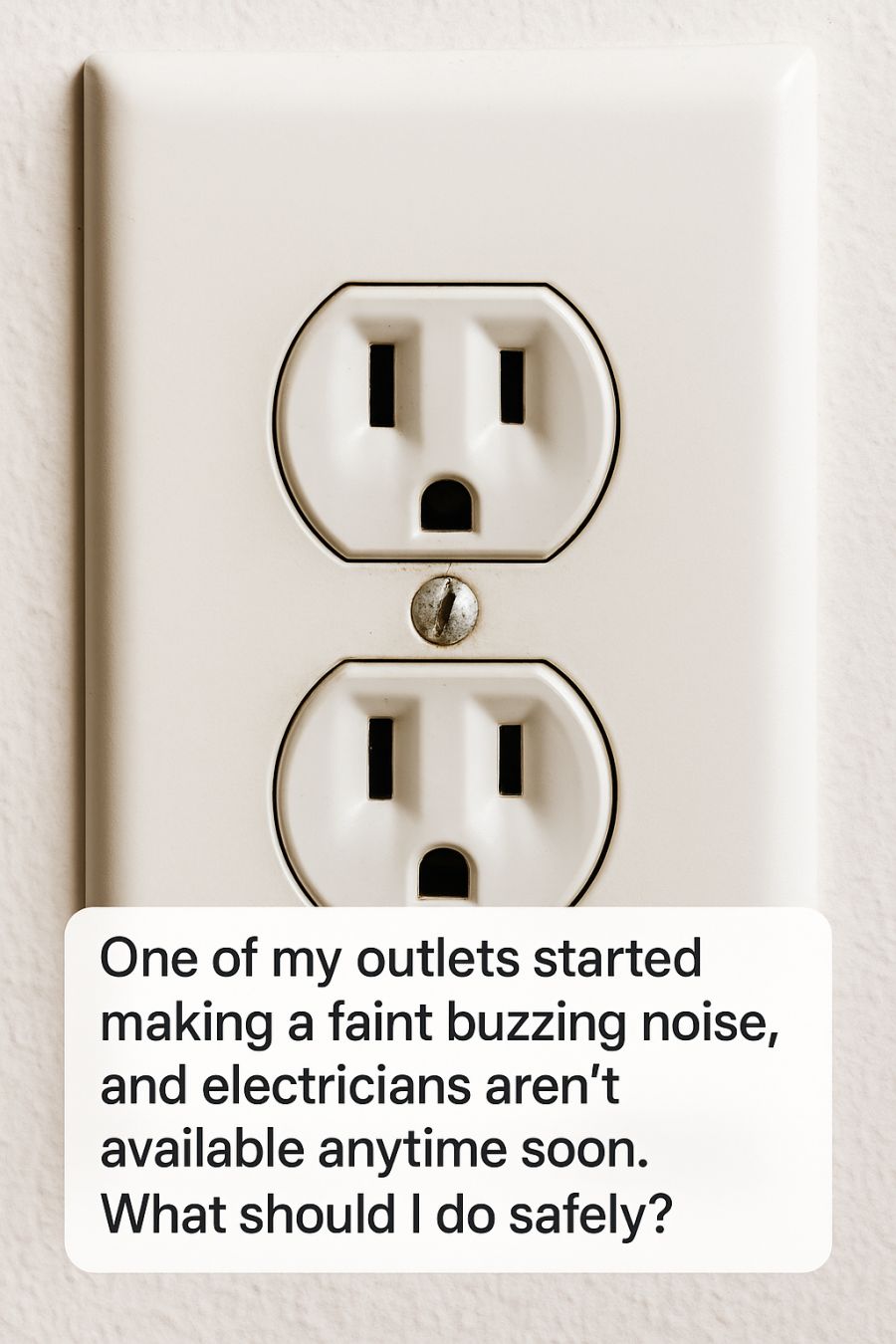
Discovering an electrical outlet in your home that’s emitting a faint buzzing noise can be both alarming and frustrating, especially when professional help isn’t immediately available. This situation is not to be taken lightly, as electrical issues can pose safety hazards if not addressed properly. However, there are steps you can take to manage the situation safely until an electrician can assist you.
In this article, we’ll explore the reasons behind a buzzing outlet, the immediate actions you should take to ensure your safety, and some temporary measures you can implement. We’ll also discuss how to document the issue for your electrician and dispel common myths about handling buzzing outlets. By understanding the potential causes and appropriate responses, you can protect your home and family from electrical dangers.
1. Why a Buzzing Outlet Is a Serious Warning Sign
A buzzing outlet is a sign that something is amiss with your electrical system. This noise often indicates a loose connection or faulty wiring, which can lead to overheating and potentially cause a fire. According to the National Fire Protection Association, electrical failures are one of the leading causes of house fires, making it crucial to address any unusual electrical noises promptly.
In some cases, the buzzing may be due to a problem with the outlet itself, such as a defective device or an internal component that is vibrating due to an incorrect current. Regardless of the cause, the presence of a buzzing sound indicates that your outlet is not operating safely and should be addressed immediately to prevent more severe issues.
2. First Move: Cut Power to the Outlet Immediately
The first and most important step upon noticing a buzzing outlet is to cut power to the outlet immediately. Locate your home’s electrical panel, which is usually found in the basement, garage, or utility room. Identify the circuit breaker associated with the buzzing outlet and switch it to the ‘off’ position. If you’re unsure which breaker corresponds to the outlet, you may need to turn off the main power switch temporarily while you investigate further.
By cutting power to the affected outlet, you reduce the risk of electrical shock, short circuiting, and potential fire hazards. It’s essential to ensure that the outlet is no longer receiving electricity before proceeding with any further inspection or action.
3. How to Safely Confirm the Power Is Really Off
After turning off the circuit breaker, it’s important to confirm that the outlet is truly without power. You can do this by plugging in a device, such as a lamp or a voltage tester, to the outlet to see if it still receives electricity. A non-contact voltage tester is particularly useful in this situation, as it allows you to check for power without touching any wires. Simply hold the tester near the outlet; if it does not light up or beep, the power is off.
It’s a good practice to double-check multiple outlets on the same circuit to ensure the power is cut off completely. This precaution helps avoid any accidental shocks and ensures that the circuit is safe to handle.
4. What a Loose Electrical Connection Sounds and Looks Like
A loose electrical connection can manifest as a faint buzzing noise, often accompanied by other signs such as flickering lights, intermittent power, or visible sparks. Additionally, if you notice any discoloration, burn marks, or a burning smell near the outlet, it is a clear indication that the connection is overheating and needs urgent attention.
Loose connections occur when wires are not securely attached to the outlet’s terminals, causing them to vibrate as electricity flows through. This vibration leads to the buzzing sound and can increase the risk of electrical fires due to the heat generated by the poor connection.
5. When a Buzzing Noise Is an Emergency and You Should Call 911
While a buzzing outlet is generally a cause for concern, there are specific situations where it becomes an emergency. If the buzzing is accompanied by a burning smell, smoke, visible flames, or if the outlet feels hot to the touch, you should evacuate the area immediately and call 911. These signs indicate a high risk of fire, and professional emergency services are needed to ensure everyone’s safety.
Even if the buzzing stops, it’s important not to assume the danger has passed. Electrical fires can smolder and reignite, so it’s crucial to have the situation assessed by emergency personnel if any of these severe symptoms are present.
6. Safe DIY Checks You Can Do Without Opening Anything
While waiting for professional assistance, there are a few non-invasive checks you can perform to gather more information about the buzzing outlet. Start by inspecting the surrounding area for any visible signs of damage, such as frayed wires, scorch marks, or melted plastic. Avoid touching the outlet or any exposed wires directly.
Listen carefully to see if the buzzing noise changes when other devices on the same circuit are turned on or off. This observation can help identify if the issue is isolated to the outlet or affects a larger part of your electrical system. Remember, these checks are purely observational and should not involve any dismantling of electrical components.
7. The Viral ‘Tape-It-and-Forget-It’ Hack You Must Avoid
In recent years, a dangerous trend has emerged on social media platforms: using electrical tape to temporarily quiet a buzzing outlet by covering it. This so-called hack is not only ineffective but also hazardous, as it does nothing to address the underlying electrical issue and can trap heat, increasing the risk of fire.
Electrical tape is not designed to insulate or repair faulty connections. Covering an outlet with tape may also give a false sense of security, delaying necessary repairs and potentially leading to more serious problems. Always prioritize safety and proper repair over quick fixes.
8. How to Safely Remove Devices and Stop Using the Circuit
Once you’ve cut power to the buzzing outlet, unplug any devices or appliances connected to it. This step prevents any accidental power surges or damage to your electronics when the circuit is restored. It’s also wise to avoid using other outlets on the same circuit until the issue has been resolved.
If you rely on devices that were connected to the affected outlet, consider relocating them to another safe circuit or using battery-powered alternatives temporarily. This precaution helps maintain your comfort and safety without risking further electrical issues.
9. When It’s (Sometimes) Safe to Use Other Outlets on the Same Circuit
In some cases, it may be possible to use other outlets on the same circuit safely, provided they do not exhibit any buzzing, flickering, or overheating. However, this is only recommended if you are certain the issue is isolated to one outlet and that the circuit can handle the electrical load without becoming overloaded.
To ensure safety, monitor any outlets you choose to use closely for any signs of trouble. If you notice any abnormalities, discontinue use immediately and maintain the circuit in the ‘off’ position until a professional assessment can be made.
10. Documenting the Problem for Your Electrician’s Visit
To aid your electrician in diagnosing and repairing the issue effectively, document as much information as possible about the buzzing outlet. Note when you first noticed the noise, any changes or patterns, and any other symptoms like flickering lights or tripped breakers. Take photographs of the outlet and surrounding area, especially if there are visible signs of damage.
Providing a detailed account of the problem will help your electrician understand the situation quickly and efficiently, potentially reducing repair time and cost. Having a comprehensive record can also be useful in case of insurance claims or further investigations.
11. Temporary Safety Upgrades: Surge Protectors, Labels, and Shutdown Plans
While waiting for an electrician, consider implementing temporary safety upgrades to protect your home. Use surge protectors to safeguard electronic devices from potential power surges once the problem is resolved. Label the affected circuit clearly on your electrical panel to prevent accidental use.
Develop a shutdown plan for your household, so everyone knows how to quickly and safely turn off power in an emergency. Familiarize your family members with the location of the electrical panel and how to operate the breakers. These practical steps can enhance safety and preparedness in case of future electrical issues.
12. How to Find a Qualified Electrician When Everyone Is Booked
When electricians are in high demand, finding a qualified professional to address your buzzing outlet can be challenging. Start by reaching out to reliable sources for recommendations, such as friends, family, or online community groups. Look for electricians with good reviews and verified credentials.
If you’re unable to secure immediate help, consider expanding your search to nearby areas or contacting larger electrical companies that may have more personnel available. In some cases, explaining the urgency of the issue may move you up the priority list. Always verify the electrician’s license and insurance before hiring to ensure you’re working with a qualified professional.
13. What Not to Do: Common Dangerous Myths About Buzzing Outlets
There are several misconceptions regarding buzzing outlets that can lead to dangerous practices. One common myth is that a buzzing outlet is harmless if the noise is faint or intermittent. In reality, any unusual sound from an electrical outlet warrants investigation, as it indicates a potential problem.
Another dangerous belief is that replacing the outlet cover or using a different outlet on the same circuit will solve the issue. However, these actions do not address the root cause and can exacerbate the problem. Always prioritize safety by treating buzzing outlets as serious electrical concerns and seeking professional assistance.
