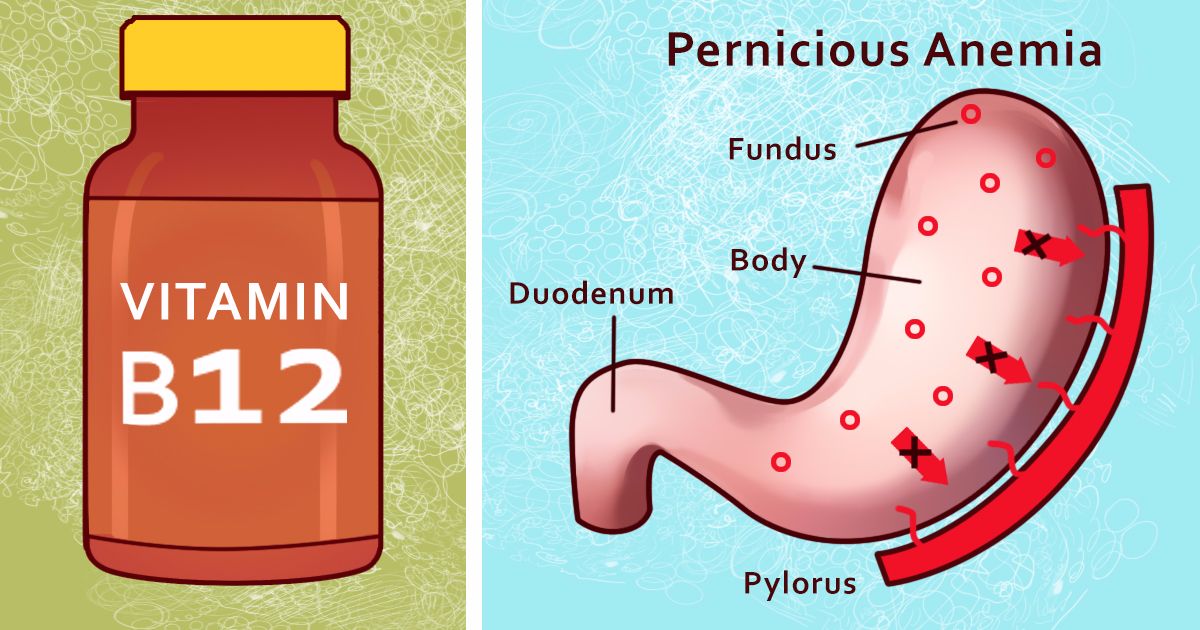
Of all common vitamin deficiencies, vitamin B12 deficiency is one of the most harmful and easily overlooked. This essential vitamin plays a critical role in producing DNA, forming healthy red blood cells, and keeping the nervous system functioning properly.
Despite its importance, the human body cannot produce vitamin B12 on its own. We depend entirely on food sources and proper absorption to maintain healthy levels. When those levels drop, the consequences can be serious—and sometimes permanent if ignored too long.
People with Crohn’s disease, celiac disease, or autoimmune disorders such as Graves’ disease or lupus are often warned about vitamin B12 deficiency. However, they are not the only ones at risk. Vegans, vegetarians, people over the age of 50, and individuals who have had weight-loss surgery are also particularly vulnerable.
Here are the most common warning signs that your body may be lacking vitamin B12.
1. Pale or Yellow-Tinted Skin
Vitamin B12 deficiency can lead to anemia, a condition where the body produces fewer red blood cells. As these cells break down, bilirubin is released, which can give the skin a pale or slightly yellow appearance.
2. Numbness and Tingling
Vitamin B12 is essential for nerve health. Low levels can cause tingling, numbness, tremors, or a “pins and needles” sensation, usually starting in the hands or feet. Balance problems may also occur.
3. Mood Swings and Depression
A deficiency can affect brain chemistry by interfering with the production of mood-regulating chemicals such as serotonin and dopamine. Anxiety, depression, irritability, and extreme mood changes may be early warning signs.
If low mood persists longer than two weeks, medical advice should be sought.
4. Smooth, Red Tongue
Vitamin B12 deficiency can cause the loss of papillae—the tiny bumps on the tongue that contain taste buds. This can result in a smooth, red, swollen tongue and a reduced sense of taste, making food less enjoyable.
5. Vision Problems
In severe cases, vitamin B12 deficiency can damage the optic nerve. This may lead to blurred or double vision, increased sensitivity to light, or even partial vision loss if left untreated.
6. Burning Sensation in the Feet
Nerve damage caused by low vitamin B12 levels may present as a burning or aching sensation, especially in the feet. Over time, this sensation can spread up the legs or into the arms.
7. Difficulty Walking or Poor Balance
Loss of coordination, unsteady walking, or frequent stumbling can be signs of neurological damage linked to prolonged vitamin B12 deficiency.
8. Memory Problems and Brain Fog
Trouble concentrating, memory lapses, confusion, and slowed thinking are additional neurological symptoms that may appear as vitamin B12 levels drop.
Who Should Get Tested?
You should talk to your doctor about testing your vitamin B12 levels if you:
Are over 50 years old
Follow a vegetarian or vegan diet
Have had weight-loss or gastrointestinal surgery
Take medications that reduce stomach acid
Use metformin for diabetes
Vitamin B12 deficiency often develops slowly, and symptoms may be subtle at first. Early detection is key, as nerve damage can become irreversible if untreated.
If something feels “off,” don’t ignore it—your body may be trying to warn you.
