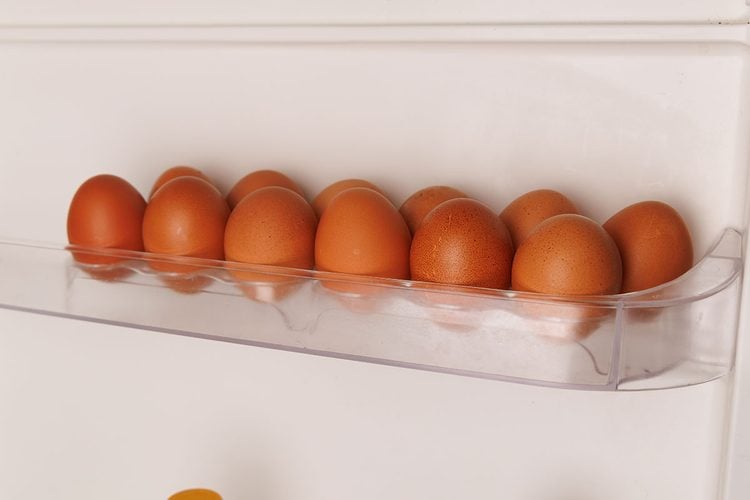
If you’ve ever traveled outside the United States or even watched foreign cooking videos online, you may have noticed something that feels strangely wrong at first glance: eggs sitting out on open shelves, completely unrefrigerated. No cold cases. No warning labels. Just cartons of eggs at room temperature.
Meanwhile, in the U.S., eggs are treated almost like dairy products. They are stored in refrigerated trucks, placed in cold grocery cases, and kept chilled at home. Many Americans assume this is simply “the safe way,” but the real reason behind this difference is far more complex—and rooted in how eggs are handled long before they ever reach the store.
Understanding why eggs are refrigerated in the United States requires looking at food safety rules, farming practices, and a small but critical detail on the surface of every egg.
The Natural Protection Eggs Are Born With
When a hen lays an egg, it doesn’t come naked and defenseless. Each egg is coated with a thin, invisible layer called the cuticle, sometimes referred to as the “bloom.” This natural coating seals the tiny pores in the shell and acts as a barrier against bacteria, moisture loss, and outside contamination.
In nature, this cuticle allows an egg to remain safe for a period of time without refrigeration. As long as the protective layer remains intact, bacteria have a much harder time entering the egg.
This is the key difference between how eggs are treated in the U.S. and how they are handled in many other parts of the world.
Why the U.S. Washes Eggs—and What That Changes
In the United States, food safety regulations require commercial eggs to be washed and sanitized before being sold. This process removes dirt, debris, and surface bacteria that may be present from the laying environment.
While this cleaning step reduces visible contamination, it also removes the cuticle, stripping away the egg’s natural defense system. Once that protective coating is gone, the shell becomes more porous and vulnerable to bacteria entering through microscopic openings.
At that point, refrigeration becomes essential.
Cold temperatures dramatically slow the growth of bacteria and reduce the risk that harmful microbes could multiply inside the egg. That’s why U.S. eggs must remain refrigerated from the processing facility all the way to your home refrigerator.
The Role of Salmonella in Egg Safety
The main concern driving egg refrigeration policy in the United States is Salmonella, a type of bacteria that can cause serious foodborne illness. Salmonella can be present on the outside of the shell or, in some cases, inside the egg itself if the laying hen carries the bacteria.
Symptoms of Salmonella infection can include stomach cramps, diarrhea, fever, vomiting, and dehydration. For children, older adults, and people with weakened immune systems, the illness can be especially dangerous.
Refrigeration doesn’t kill Salmonella, but it slows its growth to a crawl. By keeping eggs cold, the chances of bacteria multiplying to dangerous levels are significantly reduced.
This approach reflects the U.S. food safety philosophy: prevent illness by controlling risk through sanitation and temperature management.
continued on next page
