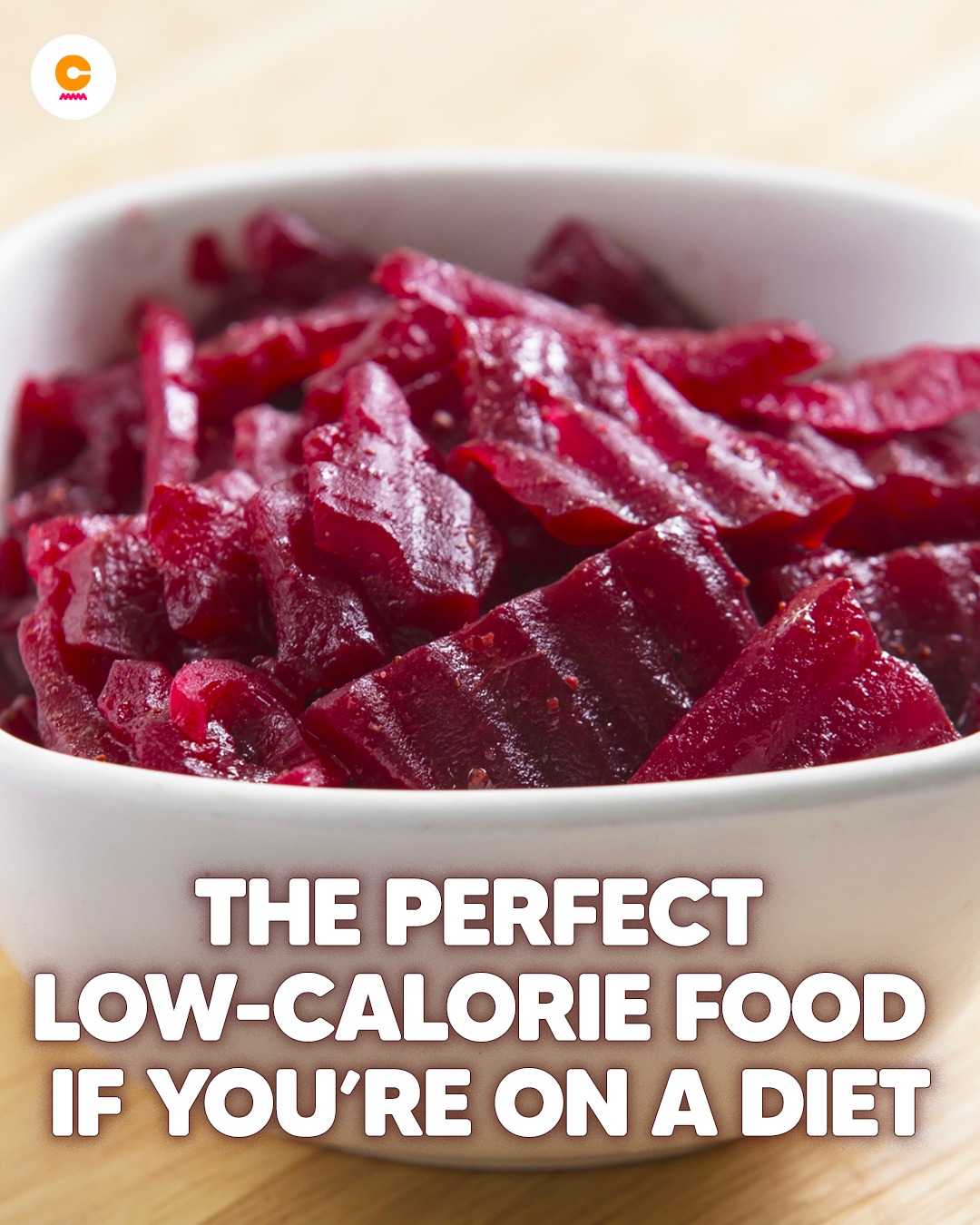
Low in calories and rich in micronutrients and antioxidants, beets are a precious ally for our well-being. Helping you stay in shape and renowned for their energy-boosting and remineralizing properties, let’s discover how to best utilize them in the kitchen and create recipes that are not only savory but also surprisingly sweet.
With ancient origins – their consumption appears to be mentioned in some Greek writings dating back to 420 BC – red beets, or turnips, are tubers belonging to the botanical species Beta vulgaris. Cultivated throughout the Mediterranean area, the plant adapts to any type of soil, especially slightly acidic and clayey ones. It prefers temperate climates and is poorly tolerant of both frost and drought. Red-purple in color and sweetish in flavor, the roots are divided into two main types: round varieties, available on the market throughout the summer and autumn, and elongated varieties, which ripen in autumn and are available from November onwards.
Two of the best-known and most widely grown varieties are the deep-red Detroit Dark Red (a classic across the U.S.) and the Chioggia (often called “candy cane” beet). The Chioggia variety, originally from Italy’s Veneto region and closely associated with the coastal town of Chioggia, is easy to spot once you slice it open: its pale flesh is marked with concentric rosy-red rings that look almost hand-painted. Flavor-wise, it’s naturally sweet and mild, which makes it great for roasting or baking, but it’s also tender enough to serve thinly sliced—dressed with a little lemon juice and olive oil—for a beet “carpaccio” that’s as pretty as it is easy.
Both the root and the leaves of these vegetables can be consumed, blanched in water or quickly sautéed with a drizzle of oil and a pinch of salt. In addition to being incredibly versatile and a key ingredient in fun and tasty cuisine, beets are a precious elixir of well-being: rich in vitamins —particularly B vitamins and vitamin C—and minerals, especially phosphorus, calcium, and potassium, they are also low in calories and high in water and fiber.
READ MORE
