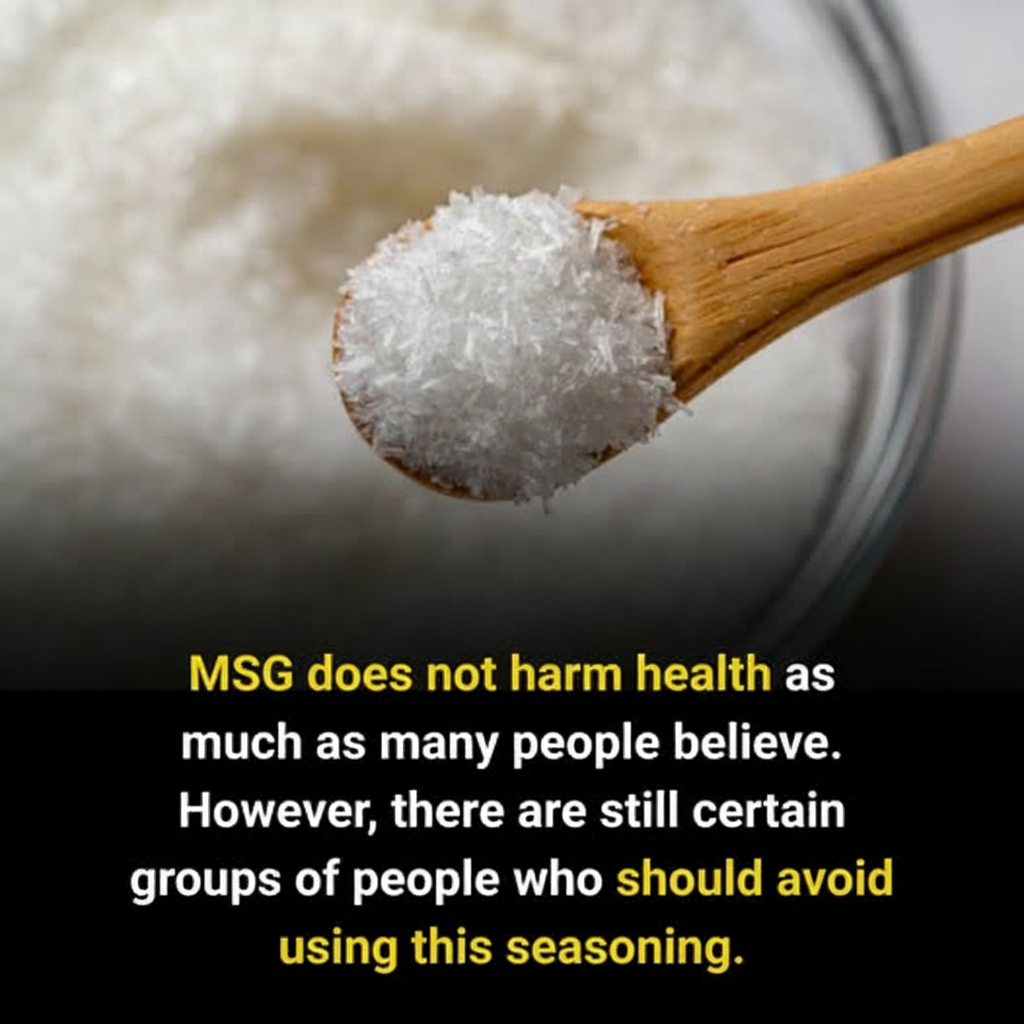
For decades, Monosodium Glutamate—commonly known as MSG—has been one of the most controversial ingredients in the food industry. While major health organizations like the FDA and WHO classify it as “generally recognized as safe,” a growing body of anecdotal evidence and specific studies suggest that it isn’t a “one-size-fits-all” ingredient.
While most people can process MSG without issue, health experts have identified three specific groups who may experience adverse reactions. If you fall into one of these categories, you might want to check your labels more closely.
1. Individuals with “MSG Symptom Complex” (Sensitivity)
The most common group affected are those with a direct sensitivity to the additive. Often referred to as “Chinese Restaurant Syndrome” (though this term is increasingly considered outdated and a misnomer), this sensitivity can cause a range of short-term reactions.
Common symptoms include:
Headaches and Migraines: This is the most frequently reported side effect.
Skin Flushing and Sweating: A feeling of warmth or redness in the face and neck.
Numbness or Tingling: Often felt in the back of the neck, radiating to the arms.
For these individuals, symptoms typically appear within 20 minutes of consumption and can last for several hours.
2. People with Severe Asthma
Research has shown a potential link between high doses of MSG and “MSG-induced asthma.” While it doesn’t affect everyone with respiratory issues, some asthmatic individuals have reported bronchospasms (tightening of the airways) after eating foods heavily seasoned with the additive.
If you notice that your breathing becomes labored or you feel chest tightness after eating processed snacks or restaurant meals, MSG could be a hidden trigger for your symptoms.
3. Those Managing Hypertension or Heart Conditions
While MSG actually contains about 1/3 less sodium than table salt, it is still a source of sodium. For people on strict low-sodium diets due to high blood pressure (hypertension) or kidney disease, the “hidden” sodium in MSG can add up quickly.
Furthermore, some sensitive individuals report heart palpitations or an increased heart rate after consuming MSG. If you are monitoring your heart health, staying away from high-MSG processed foods—like bouillon cubes, canned soups, and salty snacks—is a safer bet for maintaining stable blood pressure.
How to Spot “Hidden” MSG
If you belong to one of these groups, remember that MSG isn’t always listed clearly as “Monosodium Glutamate.” On food labels, it can hide under names like:
Yeast Extract
Hydrolyzed Vegetable Protein
Autolyzed Yeast
Sodium Caseinate
The Bottom Line: For the general population, MSG is a tool to enhance flavor while reducing overall salt. However, if you notice a pattern of headaches or discomfort, listening to your body and opting for fresh, whole foods is the best way to stay healthy.
