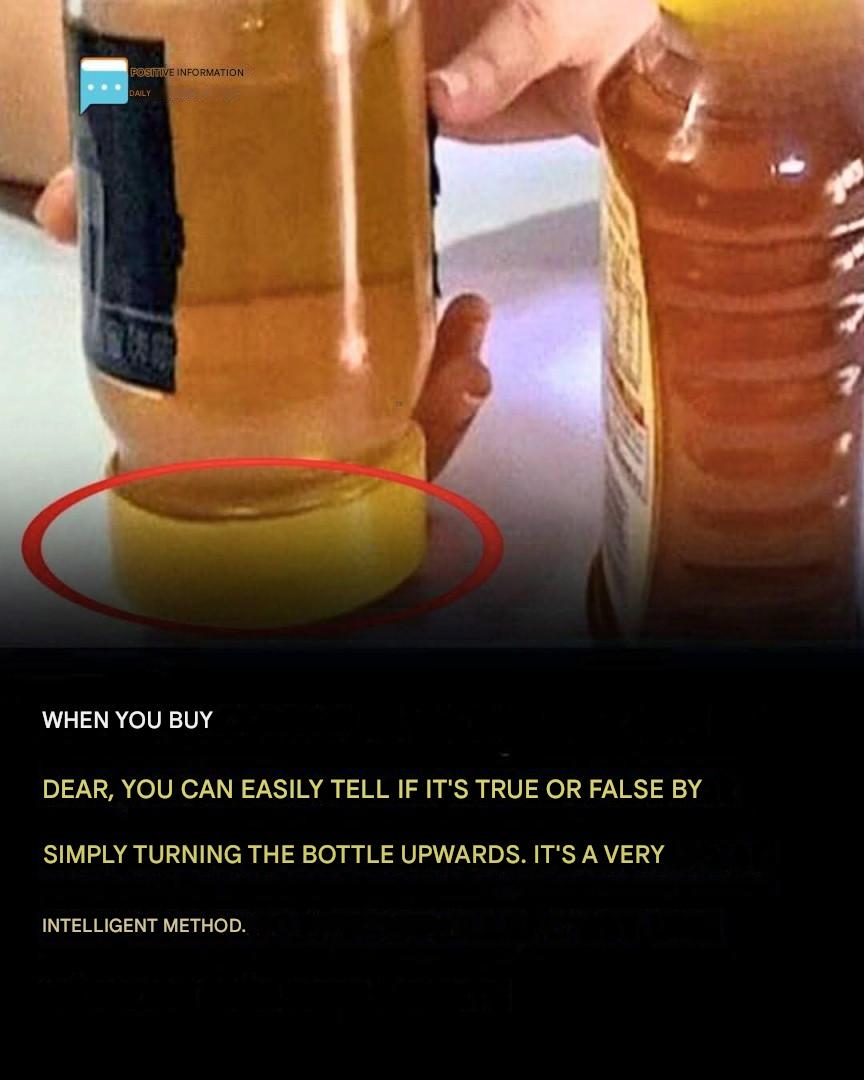
Dilution with glucose-fructose syrup: Increases volume and reduces production costs.
Premature harvest: Removing honey from the hive too early speeds up production, but results in higher water content and lower quality.
In both cases, what ends up on store shelves does not meet the standards of natural honey.
Is it possible to spot counterfeit honey at home?
We searched the internet to discover the most common honey authenticity tests. Here are our results and their reliability:
 1. Napkin test claim
: Real honey stays put; fake honey spreads and forms a moist ring.
True: Sometimes reliable. Tests for water content, but runny honeys like acacia honey can spread even when real. Don’t rely solely on this test.
 2. Hexagon shape test claim
: Real honey forms hexagons when shaken under water.
True: False. There is no scientific evidence to support this. Honey sinks and dissolves slowly, regardless of its quality.
 3. Ants avoid real honey
