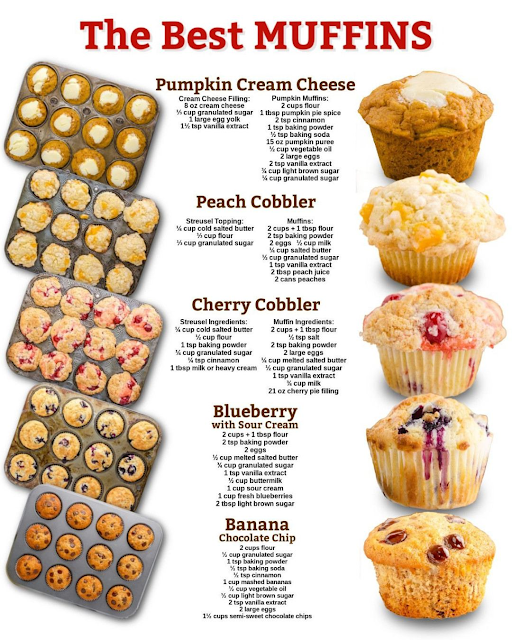
Creating muffins that boast golden tops and fluffy centers starts with understanding your ingredients. Here’s a breakdown:
Flour – All-purpose flour is most common, but cake flour can yield a lighter texture.
Sugar – Adds sweetness and helps with browning.
Eggs – Provide structure and moisture.
Fat (Butter or Oil) – Adds richness and tenderness.
Liquid (Milk, Buttermilk, or Yogurt) – Hydrates dry ingredients and reacts with leavening agents.
Leavening Agents (Baking Powder, Baking Soda) – Make muffins rise and become fluffy.
Flavorings (Vanilla, Citrus Zest, Spices) – Transform a simple muffin into something extraordinary.
Mix-ins (Fruit, Chocolate, Nuts) – Add texture, flavor, and visual appeal.
The Science of Muffin Making
Muffins are deceptively simple. To make them magical, understanding a few scientific principles helps:
Mixing Method
The “muffin method” involves combining dry ingredients in one bowl and wet ingredients in another, then gently folding them together. Overmixing develops gluten, creating dense muffins, while undermixing leaves lumps of flour.
Temperature Matters
Cold ingredients can inhibit rising, while room-temperature eggs and milk blend more evenly. Baking temperature also impacts the rise and crust color.
Leavening and Chemistry
Baking powder and baking soda release gases during baking, which expand and create that fluffy interior. Acidic ingredients like yogurt or buttermilk react with baking soda to enhance lift and flavor.
Muffin Baking Tips & Tricks
Don’t Overmix – Stir until just combined. A few lumps are okay.
Preheat Your Oven – Ensures even rising and golden tops.
Use a Scoop – Keeps muffins uniform in size.
Fill Muffin Cups Properly – Usually 2/3 to 3/4 full for perfect dome tops.
Add Toppings Last – Streusel, sugar crystals, or nuts should go on before baking.
continued on next page
