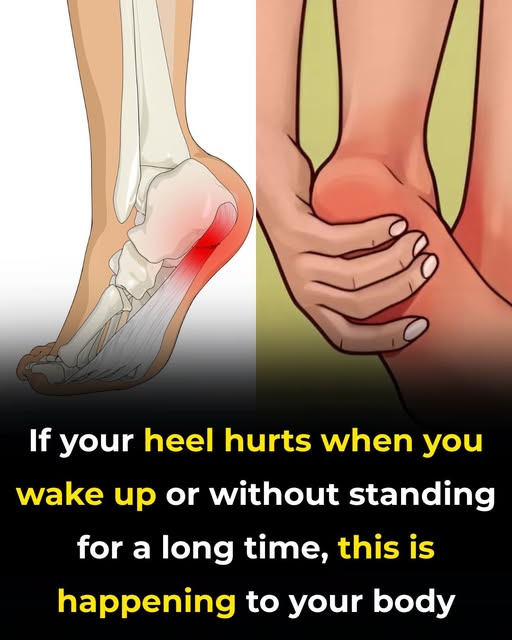
If the first steps you take in the morning feel like stepping on broken glass, you are likely suffering from Plantar Fasciitis.
This common condition occurs when the thick band of tissue (the plantar fascia) that runs across the bottom of your foot, connecting your heel bone to your toes, becomes inflamed. While it can feel debilitating, the good news is that most cases can be treated effectively without surgery, primarily through focused, consistent stretching and strengthening exercises.
By integrating these seven simple, powerful exercises into your daily routine, you can naturally relieve heel pain, improve foot flexibility, and treat Plantar Fasciitis.
The Foundation: Why Stretching Works
Plantar Fasciitis is often caused by tightness in the Achilles tendon and calf muscles. When these areas are tight, they pull on the plantar fascia, causing microscopic tears and inflammation at the heel.
The following exercises are designed to:
Improve Flexibility: Lengthening the calf muscles and Achilles tendon relieves tension on the plantar fascia.
Strengthen Muscles: Building up the muscles that support the arch of the foot helps stabilize the area.
Reduce Pain: Consistent stretching lessens the strain on the heel, reducing morning stiffness and overall discomfort.
7 Exercises for Natural Heel Pain Relief
1. The Wall Stretch (Calf/Achilles Tendon)
This is one of the most effective exercises for targeting the tight muscles contributing to your pain.
How to do it: Stand facing a wall, about an arm’s length away. Place your hands on the wall. Step one foot back, keeping the heel flat on the floor and the knee straight. Lean forward until you feel a gentle stretch in the calf of the back leg.
Hold: Hold for 30 seconds.
Repeat: Perform 3 repetitions on each leg.
2. Stair Stretch (Gastrocnemius and Soleus)
This exercise uses gravity to give a deep, controlled stretch to the Achilles tendon and calf.
How to do it: Stand on the edge of a step (a sturdy stair or curb), holding onto a railing for balance. Slowly lower the heel of the injured foot until you feel a stretch under your calf. Keep the knee straight.
Hold: Hold for 30 seconds.
Repeat: Perform 3 repetitions on each foot.
3. Towel Stretch (Plantar Fascia)
Perfect for doing first thing in the morning before you even stand up, this stretch directly targets the plantar fascia.
How to do it: Sit on the floor with your legs straight out. Loop a towel or strap around the ball of your foot. Gently pull the towel toward your body, keeping your knee straight, until you feel a strong stretch along the arch of your foot and calf.
Hold: Hold for 30 seconds.
Repeat: Perform 3 repetitions on each foot.
4. Marble Pickup (Foot Strengthening)
Strengthening the small muscles in the feet can help support the arch and reduce strain on the fascia.
How to do it: Place a handful of marbles and a small cup on the floor. Use the toes of the affected foot to pick up one marble at a time and place it into the cup.
Repeat: Continue until all marbles are in the cup. This helps improve toe dexterity and arch control.
5. Toe Stretches (Plantar Fascia Release)
This simple stretch can be done anywhere and helps relieve tension right at the source of the pain.
How to do it: Sit down and cross the injured foot over your opposite knee. Grab your toes and gently pull them back toward your shin until you feel a stretch in the arch of your foot.
Hold: Hold for 15–20 seconds.
Repeat: Perform 5–10 repetitions on the affected foot.
6. Frozen Water Bottle Roll (Icing and Massage)
This dual-action exercise combines the anti-inflammatory benefits of ice with a deep tissue massage for the fascia.
How to do it: Freeze a water bottle filled with water. Sit in a chair and place the frozen bottle on the floor. Place the arch of your foot on the bottle and roll it back and forth from the heel to the ball of your foot.
Duration: Roll for 5–10 minutes.
Frequency: Perform this at least once daily, especially after activity or at the end of the day.
7. Seated Heel Raises (Arch Strengthening)
This exercise works the deep muscles that support your foot’s arch without putting stress on the heel.
How to do it: Sit on a chair with your feet flat on the floor. Slowly lift your heels off the ground, rising onto the balls of your feet. Hold briefly at the top. Slowly lower your heels back down.
Repeat: Perform 3 sets of 15 repetitions.
📌 Important Recovery Tips
Be Consistent: Perform these exercises daily, ideally multiple times per day, especially the towel stretch before getting out of bed.
Wear Supportive Shoes: Avoid going barefoot, especially on hard floors. Wear shoes with good arch support, even around the house.
Listen to Your Body: Do not push through sharp or increasing pain. The stretch should feel tight but not painful.
