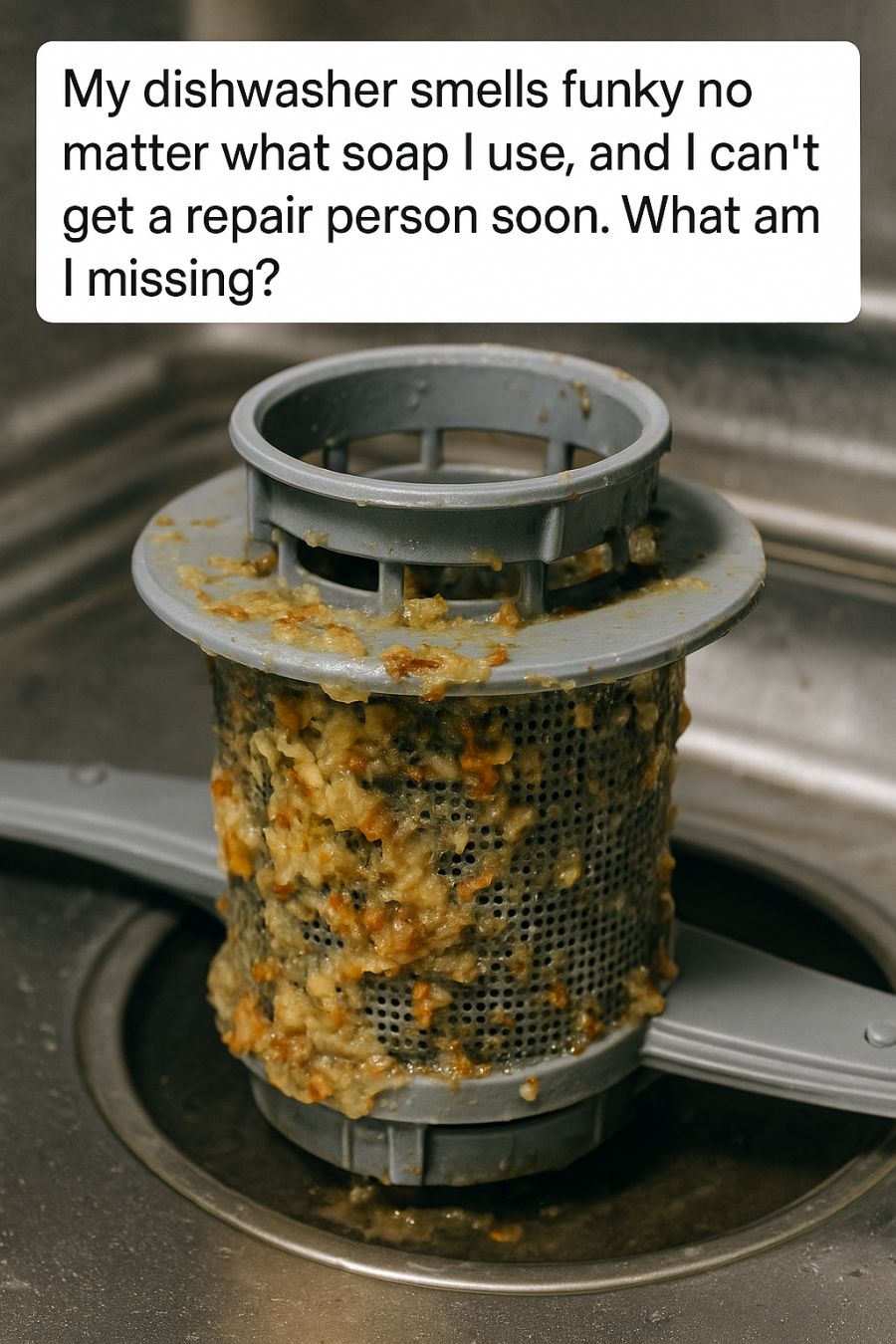
A dishwasher is one of the most convenient appliances in the kitchen, designed to take the labor out of cleaning up after meals. However, when it starts to emit a funky odor, it can quickly become more of a curse than a blessing. The smell can persist no matter what type of soap or detergent you use, leaving you frustrated and seeking solutions.
Understanding the root causes of dishwasher odors can help you tackle the issue effectively. From blocked filters to hidden mold, various factors can contribute to the unpleasant smell emanating from your dishwasher. This article will guide you through common causes of dishwasher odors and practical steps you can take to eliminate them, even if a professional repair is not immediately available.
1. Start With the Biggest Culprit: A Clogged Food Filter
One of the most common sources of dishwasher odors is a clogged food filter. This filter is designed to catch food particles and prevent them from being redeposited on your dishes. However, over time, these particles can accumulate, leading to blockages and unpleasant smells.
To clean the food filter, first, locate it at the bottom of the dishwasher. Typically, it’s a circular or cylindrical piece that can be unscrewed or lifted out. Remove any visible debris and rinse the filter under hot water. For a deeper clean, use a soft brush and mild detergent to scrub away any stubborn grime. Regular maintenance of the food filter can prevent future clogs and odors.
2. Hidden Gunk in the Spray Arms and How to Clear It
The spray arms in your dishwasher are responsible for distributing water throughout the machine, ensuring every dish gets clean. However, these arms can become clogged with food particles and mineral deposits, leading to inefficient cleaning and odors.
To clean the spray arms, remove them from the dishwasher. You may need to unscrew them or gently pull them out, depending on your model. Use a toothpick or a thin wire to clear out any blockages in the spray holes. Rinse the arms thoroughly under running water and reattach them. This simple maintenance task can significantly improve your dishwasher’s performance and reduce odors.
3. The Slime in the Door Gasket You Never Think to Clean
The door gasket, or rubber seal, around the dishwasher door is often overlooked during cleaning. Over time, it can accumulate slime and mold, contributing to bad smells.
To clean the gasket, wipe it down with a damp cloth soaked in a mixture of warm water and vinegar or mild dish soap. Pay special attention to the folds and crevices where grime can hide. Regular cleaning of the door gasket will help prevent mold growth and keep odors at bay.
4. Standing Water in the Bottom: Drainage Problems That Stink
If you notice standing water at the bottom of your dishwasher, it could be a sign of a drainage issue. Stagnant water can become a breeding ground for bacteria and lead to unpleasant odors.
Check the drain hose for any kinks or obstructions that might be impeding water flow. You can also inspect the drain pump and remove any debris that might be blocking it. Ensuring proper drainage is crucial for maintaining a fresh-smelling dishwasher.
5. The Garbage Disposal Connection Most People Forget
Many dishwashers are connected to the kitchen sink’s garbage disposal, and a clogged disposal can cause odors to back up into the dishwasher.
Run the garbage disposal with cold water for a few minutes to clear any blockages. You can also use a disposal cleaner or a mixture of baking soda and vinegar to freshen it up. Keeping the disposal clean can prevent odors from transferring to your dishwasher.
6. Why Your Dishwasher Interior Needs a Deep Degrease, Not Just Soap
While dishwasher detergent is designed to clean dishes, it may not be sufficient for removing grease buildup inside the machine. Grease can accumulate on the walls and surfaces, trapping odors.
Periodically run an empty dishwasher cycle with a specialty dishwasher cleaner or a cup of white vinegar on the top rack. This will help dissolve grease and leave your dishwasher smelling fresh. Regular deep cleaning is an essential step in dishwasher maintenance.
7. Mold and Mildew From Always Keeping the Door Shut
Mold and mildew thrive in dark, damp environments, making a closed dishwasher an ideal breeding ground. Keeping the door shut at all times can trap moisture and lead to mold growth.
After running a cycle, leave the dishwasher door slightly ajar to allow air circulation and drying. This simple habit can prevent mold and mildew from developing and eliminate associated odors.
8. The Wrong Detergent, Too Much Soap, and Suds Buildup
Using the wrong type of detergent or too much of it can lead to suds buildup, which can trap odors and affect the dishwasher’s performance. Always use a detergent specifically designed for dishwashers and follow the manufacturer’s instructions for the correct amount.
Too much detergent can create excess suds, which can linger in the machine and lead to odors. Adjust your detergent use based on the hardness of your water and the level of soil on your dishes.
9. Viral Cleaning Hacks: Vinegar, Baking Soda, and What Actually Works
Vinegar and baking soda are popular cleaning hacks for a reason—they’re effective and safe for most dishwashers. To freshen up your dishwasher, place a cup of white vinegar on the top rack and run a hot cycle. Then, sprinkle a cup of baking soda across the bottom and run a short cycle.
This combination helps neutralize odors and can break down minor buildup. However, avoid using them together in the same cycle, as they can foam excessively and reduce effectiveness.
10. When Hard Water and Limescale Trap Odors
Hard water deposits and limescale can accumulate on the interior surfaces of your dishwasher, trapping odors and affecting performance. A limescale remover or dishwasher cleaner can help dissolve these deposits.
If you live in an area with hard water, consider using a water softener or adding a rinse aid to prevent limescale buildup. Regular descaling can keep your dishwasher functioning optimally and smelling fresh.
11. Checking the Drain Hose for Kinks, Loops, and Hidden Rot
The drain hose is a crucial component for proper water drainage, but it can sometimes become kinked, looped, or damaged. This can impede water flow and cause odors to develop.
Inspect the hose for any visible kinks or damage. Ensure it is properly routed with no loops that could trap water. If necessary, replace a damaged or worn hose to restore proper drainage.
12. How Your Loading Habits Can Create a Smell Factory
Improper loading of the dishwasher can prevent water and detergent from reaching all surfaces, leading to residue buildup and odors. Ensure dishes are loaded according to the manufacturer’s guidelines, with space between items for water circulation.
Avoid overloading the dishwasher, as this can block spray arms and leave food particles behind. Proper loading not only improves cleaning performance but also helps prevent odors.
13. Maintenance Habits to Keep Funky Odors From Coming Back
Regular maintenance is key to preventing dishwasher odors from returning. Clean the food filter, spray arms, and door gasket regularly to remove food particles and grime.
Run a monthly cleaning cycle with a specialty cleaner or vinegar and baking soda to prevent buildup. Ensure proper drainage and keep the door ajar after cycles to allow drying. By adopting these habits, you can keep your dishwasher smelling fresh and functioning efficiently.
