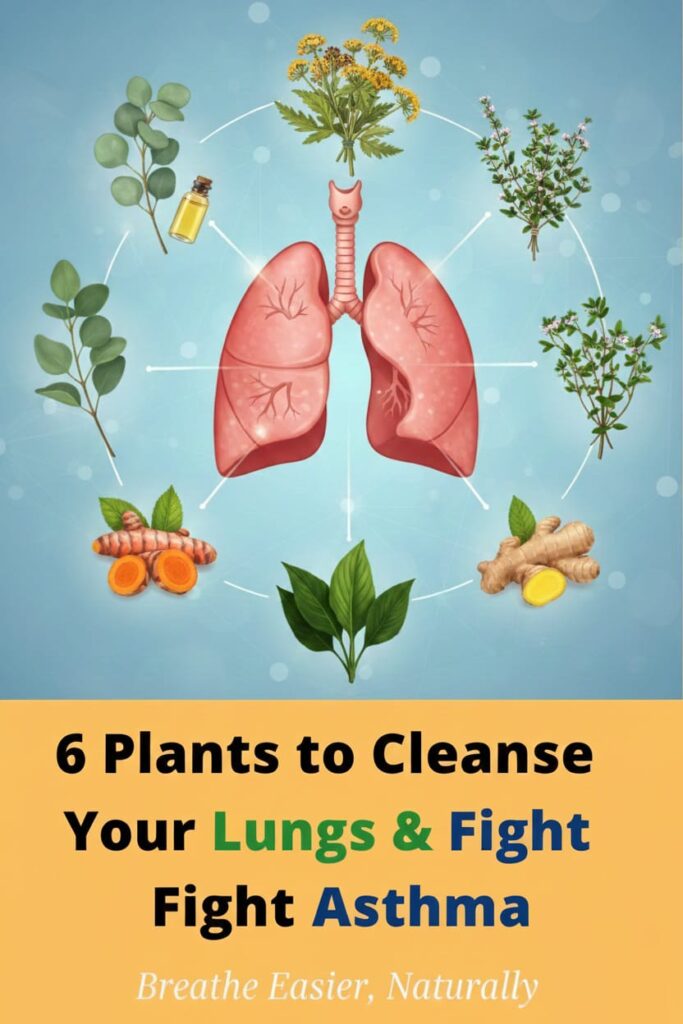
4. Thyme (Thymus vulgaris)
Thyme is a serious antiseptic for the lungs. Its volatile oils, primarily thymol, have been used traditionally to treat bronchitis and whooping cough.
How it Helps: Thyme has potent antimicrobial and antifungal properties, helping to combat underlying infections. It also acts as an expectorant and antispasmodic, helping to clear mucus and relax the respiratory muscles, which can reduce spasmodic coughing associated with asthma.
How to Use: Thyme tea is the go-to method. Steep 1-2 teaspoons of dried thyme in a cup of hot water for 10 minutes, strain, and drink. It can also be used in steam inhalation.
5. Licorice Root (Glycyrrhiza glabra)
A staple in traditional medicine, licorice root is one of the most widely consumed herbs in the world for good reason—it’s a supreme lung soothe.
How it Helps: Licorice is highly demulcent, meaning it coats and soothes irritated mucous membranes in the throat and lungs. It has anti-inflammatory and mild expectorant qualities, helping to reduce bronchial swelling and thin mucus. Note: Long-term or high-dose use can have side effects like elevated blood pressure. Use in moderation.
How to Use: It is best consumed as a tea, often blended with other respiratory herbs like marshmallow root or ginger for a synergistic effect.
6. Mullein (Verbascum thapsus)
Mullein is a classic herbal remedy specifically for the lungs, often called “nature’s lung brush.”
How it Helps: The leaves and flowers are rich in saponins that help loosen congestion, and mucilage that soothes inflamed tissues. It acts as an excellent expectorant, helping the lungs expel excess mucus and particulate matter, effectively “cleansing” the bronchial tubes.
How to Use: Mullein leaf tea is gentle and effective. Due to its tiny hairs, it must be strained very thoroughly through a fine-mesh cloth or coffee filter before drinking.
Creating a Holistic Routine for Lung Health
Incorporating these plants is just one part of supporting your lungs. Consider this holistic approach:
Diet: Eat an anti-inflammatory diet rich in fruits, vegetables, and omega-3 fatty acids.
Hydration: Drink plenty of water to keep mucus thin and mobile.
Air Quality: Use a HEPA air purifier at home, especially in the bedroom.
Breathing Exercises: Practices like pursed-lip breathing and diaphragmatic breathing can strengthen respiratory muscles and improve oxygen exchange.
Avoid Triggers: Identify and minimize exposure to your personal asthma triggers (e.g., dust, pollen, smoke, strong chemicals).
Conclusion
Turning to plants like eucalyptus, peppermint, ginger, thyme, licorice, and mullein offers a time-tested, natural path to support lung cleansing and ease the symptoms of asthma. By working in harmony with your body’s own healing processes and your doctor’s advice, these herbal allies can help you move toward the goal of breathing easier, naturally.
Embrace the wisdom of these plants, breathe deeply, and empower your journey to better respiratory health.
