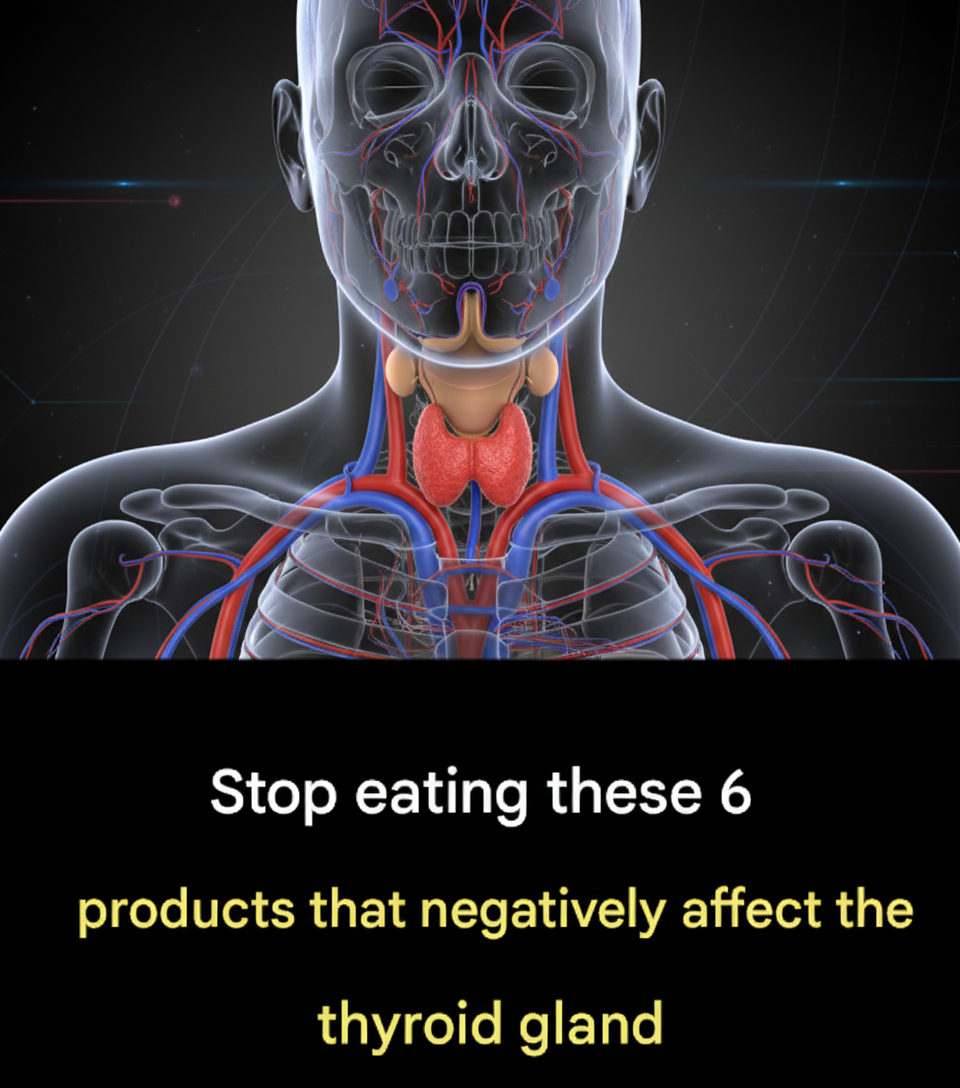
Your thyroid may be small—about the size of a butterfly at the base of your neck—but it plays a huge role in your metabolism, energy levels, mood, weight, and overall hormonal balance. When your thyroid isn’t working properly (whether underactive hypothyroidism or overactive hyperthyroidism), symptoms can affect your whole body. While medical treatment and medication are often essential, the foods you eat can either help support your thyroid—or make symptoms worse.
Below are six common foods or food groups that research shows can interfere with thyroid function or block medication absorption if eaten in excess or at the wrong time.
1. Goitrogenic Foods When Raw or Excessive
Goitrogens are natural compounds found in some vegetables that can disrupt how your thyroid uses iodine, which is essential for hormone production.
Examples include:
Broccoli
Cabbage
Cauliflower
Kale
Brussels sprouts
How they affect your thyroid: In large amounts—especially raw—these foods can compete with iodine in your thyroid gland and potentially slow hormone production.
What to do instead: Cook these vegetables (steaming or roasting reduces goitrogenic effects), and keep portions moderate.
2. Large Amounts of Soy and Soy-Based Products
Soy products such as tofu, soy milk, and edamame contain compounds that may interfere with thyroid hormone production and medication absorption.
Why it matters: If you take thyroid hormone medication (such as levothyroxine), consuming soy close to your medicine can reduce how well the drug is absorbed.
What to do instead: If you enjoy soy, space it several hours apart from your thyroid medication. Moderation and timing matter.
3. Highly Processed and Sugary Foods
Sugary foods and ultra-processed snacks and meals can contribute to inflammation and weight gain—both of which can aggravate thyroid symptoms.
Common examples:
Soda and sweetened drinks
Candy, cakes, pastries
Packaged snacks and fast food
Why it matters: These foods provide little nutritional value but can interfere with metabolism and thyroid hormone balance.
What to do instead: Choose whole foods like fruits, nuts, lean proteins, and vegetables that support overall metabolic health.
4. Gluten-Containing Foods (For Some People)
While not harmful for everyone, gluten can trigger inflammation in people with celiac disease or autoimmune thyroid conditions (like Hashimoto’s thyroiditis).
Gluten is found in:
Wheat, barley, rye
Many breads, pastas, baked goods
What to do instead: If you suspect gluten sensitivity, talk with a healthcare provider and consider testing. A gluten-free diet may improve symptoms for some individuals.
5. Caffeine and Alcohol
Coffee and other caffeinated beverages can interfere with the absorption of thyroid medication if taken too close to your dose. Alcohol can also disrupt hormone production and metabolic balance.
When to consume: Wait at least 30–60 minutes after taking thyroid medication before drinking coffee or caffeinated tea.
6. High-Iodine Supplements and Seaweed When Overdone
Iodine is essential for thyroid hormone production, but too much iodine—especially from supplements or seaweed—can worsen thyroid disorders.
Examples of high-iodine sources:
Kelp or seaweed supplements
Certain marine foods in very large amounts
Excessive iodized salt
Why it matters: Both hypothyroidism and hyperthyroidism can be negatively affected by too much iodine intake.
What to do instead: Aim for balanced iodine consumption through food and check with your doctor before using supplements.
Final Thoughts
Food doesn’t cause thyroid disease on its own—but certain eating patterns can make symptoms harder to manage or interfere with treatment. Always talk with a healthcare provider or registered dietitian before making big changes to your diet, especially if you take medications or have an autoimmune thyroid condition.
