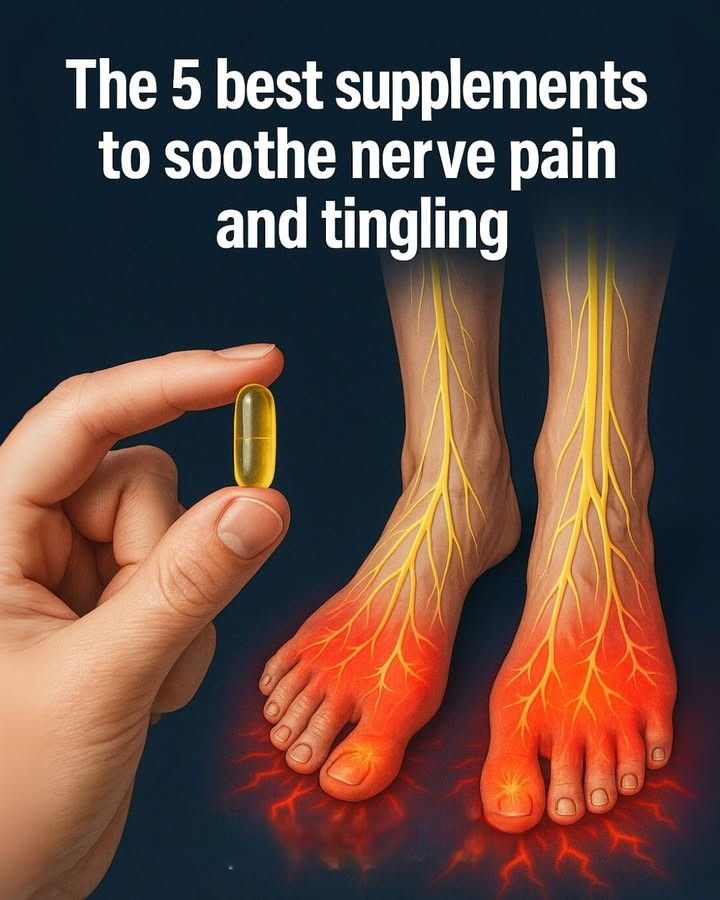
And now, for the absolute best supplement you can take for the symptoms of peripheral neuropathy: Alpha-Lipoic Acid, or ALA. If there’s one supplement that stands out for its robust body of evidence, this is it. ALA is perhaps the best-studied and most proven supplement for treating neuropathy symptoms, including reducing the pain, tingling, and burning in the feet and legs.
ALA is a potent antioxidant that your body actually makes on its own; it’s found in every single one of your cells. Its positive effects on neuropathy are attributed to its ability to improve blood flow to nerve tissue, which helps nourish and protect the nerves. It also has powerful direct anti-inflammatory and antioxidation effects, protecting your nerves from the oxidative stress that causes damage. Regardless of the precise mechanism, the results speak for themselves. ALA has been shown to be superior to a placebo in multiple high-quality trials for reducing the symptoms of peripheral neuropathy, with particularly strong evidence for diabetic neuropathy.
Dosages in studies have ranged from 600 to 1,800 milligrams daily. One major review of the research found that taking 600 milligrams daily for just three weeks was sufficient to significantly reduce the symptoms of diabetic peripheral neuropathy. Given the strength of the evidence, ALA is the clear number one choice to discuss with your doctor if you are seeking supplemental support for your nerve health.
Conclusion
Navigating the world of peripheral neuropathy can be challenging, but you have options to support your body and find relief. These five supplements—N-acetylcysteine, Omega-3s, Acetyl-L-Carnitine, Curcumin, and especially Alpha-Lipoic Acid—all have scientific evidence and clinical experience suggesting they can help reduce your symptoms of pain, tingling, and numbness. Remember, supplements are a tool, not a cure-all. They work best as part of a comprehensive approach to your health, under the guidance of a healthcare professional who understands your unique medical history. By taking proactive steps and having an informed conversation with your doctor, you can build a plan that supports your nerve health and helps you get back to living a more comfortable, active life.
