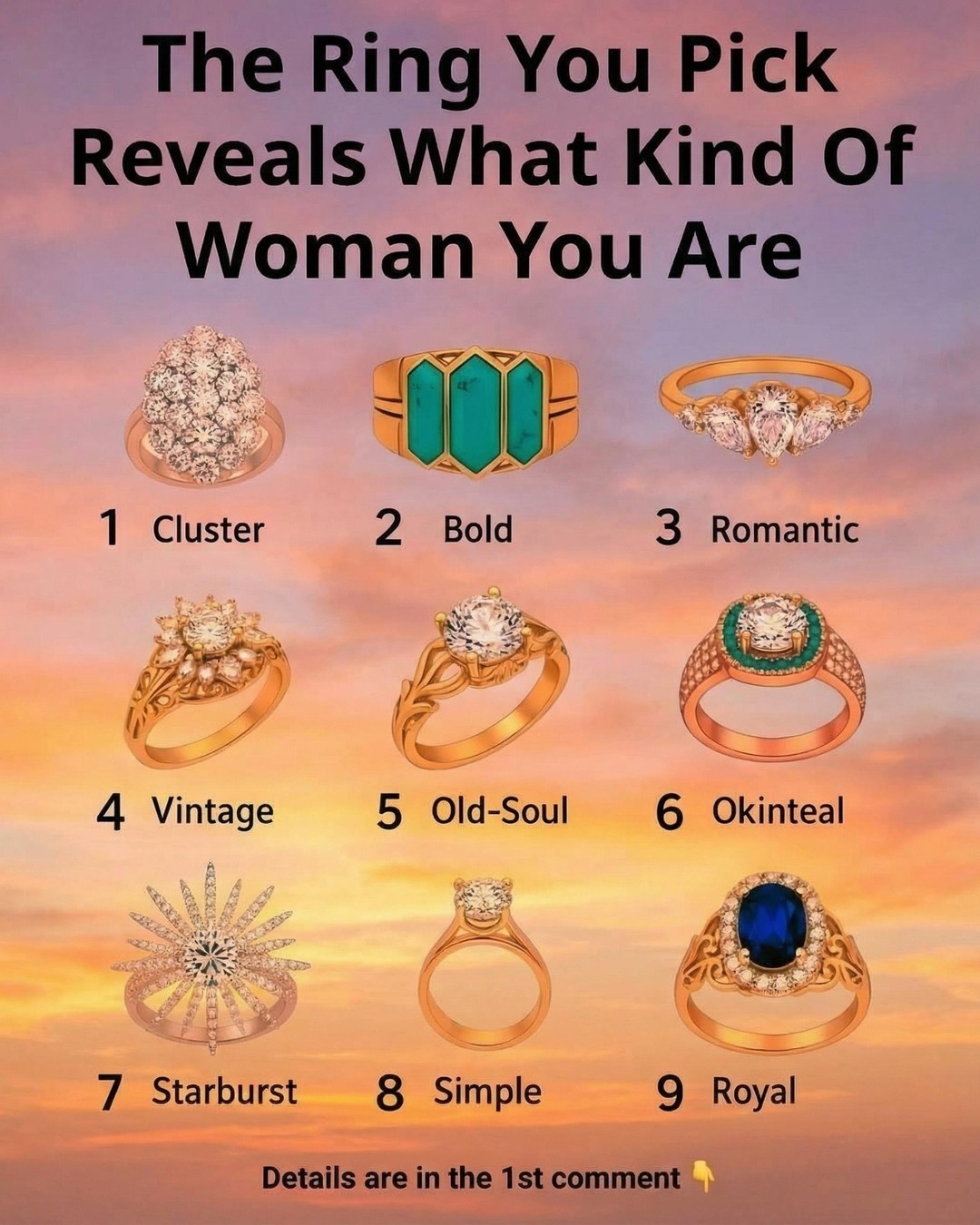
Rings are among the most powerful and enduring forms of jewelry in human history. Small in size yet immense in symbolism, a ring can represent love, power, commitment, identity, spirituality, status, or personal transformation. From ancient civilizations to modern fashion runways, rings have served as silent storytellers—communicating meaning without words.
Whether worn as a symbol of eternal love, a mark of authority, a spiritual talisman, or a personal fashion statement, every ring style and selection carries significance. The metal chosen, the gemstone set, the finger it adorns, and even the shape of the band all contribute to its meaning.
In this comprehensive guide, we explore the meaning behind different ring styles and selections, uncovering the history, symbolism, and emotional significance that make rings far more than decorative accessories.
The Historical Significance of Rings
Rings have been worn for over 6,000 years, dating back to ancient Egypt. Early rings were crafted from materials such as bone, leather, reeds, and wood. The circular shape—without beginning or end—naturally became associated with eternity, continuity, and the cycle of life.
Ancient Egyptians viewed rings as symbols of eternal love and cosmic unity.
Romans used rings to signify authority, citizenship, and contractual agreements.
Medieval Europe embraced rings as religious symbols, seals of power, and marriage tokens.
Asian cultures often associated rings with spiritual balance and energy flow.
Across cultures, rings evolved from simple bands into complex works of art laden with meaning.
The Symbolism of Ring Shapes and Designs
1. Circular Bands: Eternity and Wholeness
The most fundamental ring shape—the circle—represents infinity, unity, and completeness. This is why wedding bands traditionally have no opening, symbolizing an unbroken bond.
2. Twisted or Braided Bands: Two Lives Intertwined
Twisted or braided designs symbolize partnership, unity, and shared journeys. These rings are popular for wedding bands and promise rings, representing two paths becoming one.
3. Split Shank Rings: Balance and Individuality
Split shank rings divide the band into two or more strands as they approach the center stone. This design can symbolize individuality within unity—two distinct identities supporting one central love or purpose.
4. Stackable Rings: Life’s Layers and Milestones
Stackable rings allow wearers to add bands over time, each representing a milestone, memory, or achievement. They symbolize growth, evolution, and personal storytelling.
The Meaning Behind Popular Ring Styles
Engagement Rings: Love and Intent
Engagement rings symbolize a promise of marriage and lifelong commitment. Traditionally given during a proposal, they represent intent, devotion, and future planning.
Solitaire rings emphasize singular love and clarity of commitment.
Halo rings symbolize protection, brilliance, and amplified love.
Three-stone rings represent the past, present, and future of a relationship.
Wedding Bands: Eternal Union
Wedding rings are exchanged during marriage ceremonies to symbolize eternal love and unity. Their continuous form reinforces the idea of permanence.
Plain bands signify purity and simplicity.
Engraved bands add personal meaning, such as vows or dates.
Matching sets emphasize equality and partnership.
continued on next page
