
STEP 3: START WITH SPOT TESTING
Before you treat the whole couch, always test your cleaning solution on a hidden patch of fabric — for example, the back of the couch or underside of a cushion.
How to test
Spray a small area with the cleaning solution.
Blot gently.
Let it dry completely.
Ensure there’s no discoloration, fading, or texture change before proceeding.
If the fabric looks unchanged, you’re good to go.Testing protects your couch from surprises later.
STEP 4: CLEANING METHOD BASED ON YOUR CODE
Below are the most effective ways to clean microfiber depending on what your care tag says.
🌊 For W or W/S Fabrics (Water-Based Cleaners)


Mix your solution: Warm water and a tablespoon of mild, clear dish soap.
Lightly mist the fabric — don’t soak it.
Use a soft-bristle brush or sponge to gently rub in circles.
Rinse by dabbing with a cloth dampened with clean water.
Blot excess moisture with a dry towel.
Allow to air dry completely before sitting.
Avoid saturating the fabric; too much water can cause water marks or stiff fibers.
✨ For S Fabrics (Solvent Cleaners Only)
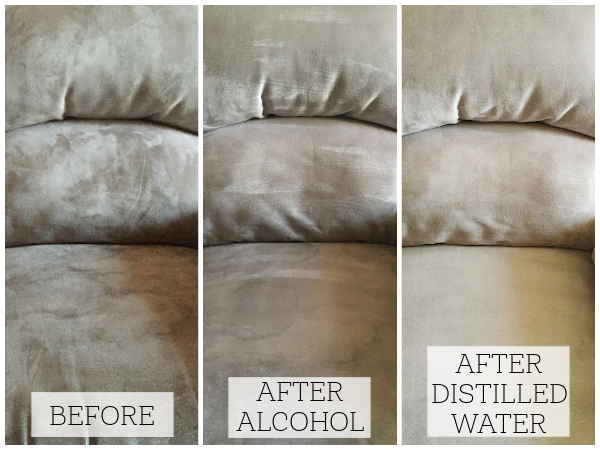
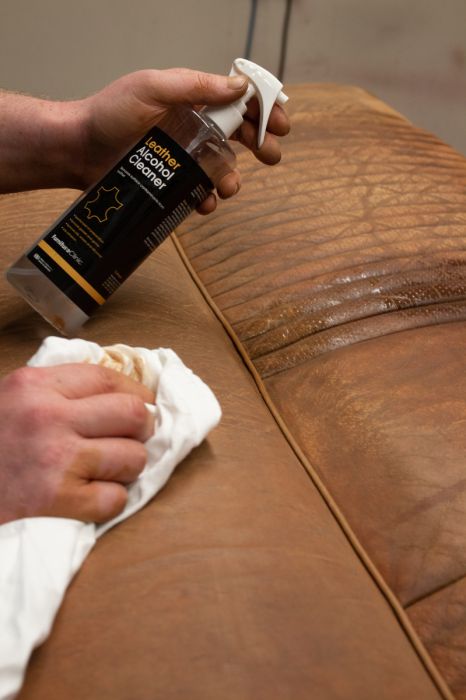
Fill a spray bottle with undiluted rubbing alcohol (Isopropyl).
Mist only a small section at a time — too much liquid can sink into cushion padding.
Blot and gently rub with a white cloth (so you can see the dirt transfer).
When done, let the area dry. Alcohol evaporates fast, so drying is quick.
Finish by brushing the fibers with a soft brush to restore texture.
Solvent cleaners work especially well on grease or dark spots that water can’t lift.
Continue reading…
