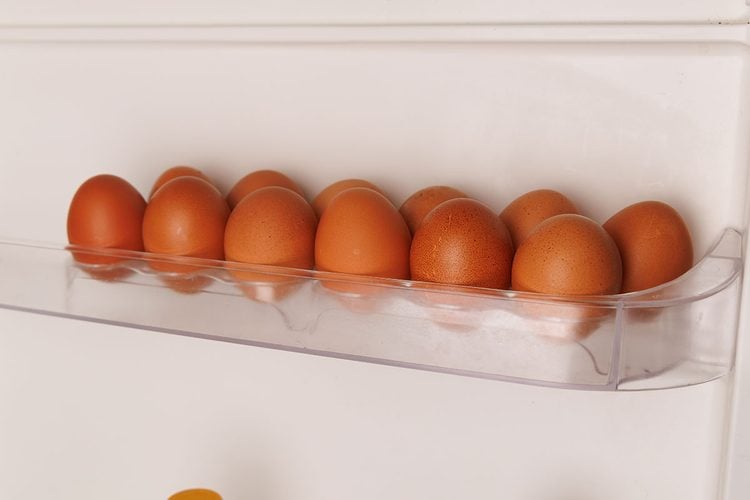
Farm Eggs vs. Store-Bought Eggs
Eggs from small farms or backyard hens may not be washed and can sometimes be stored at room temperature for short periods if the cuticle is intact. However, practices vary widely, and once those eggs are washed or refrigerated, they should be treated the same way as store-bought eggs.
It’s important not to mix storage methods. An egg that starts cold must stay cold.
A System Built on Risk Reduction
Egg refrigeration in the United States is not about fear—it’s about control. By washing eggs and keeping them cold, the system aims to reduce contamination risks across millions of households, even if it means sacrificing the egg’s natural protective coating.
Other countries achieve safety through different methods, but both systems are designed to protect consumers based on their own agricultural practices and food distribution models.
Final Thoughts
Eggs are refrigerated in the United States because they are washed, and washing removes the egg’s natural protective barrier. Once that barrier is gone, cold storage becomes the most effective way to prevent bacterial growth and keep eggs safe.
So the next time you open your fridge and see that familiar carton, remember: it’s not just habit or tradition—it’s the result of decades of food safety decisions designed to keep a simple, everyday food as safe as possible.
