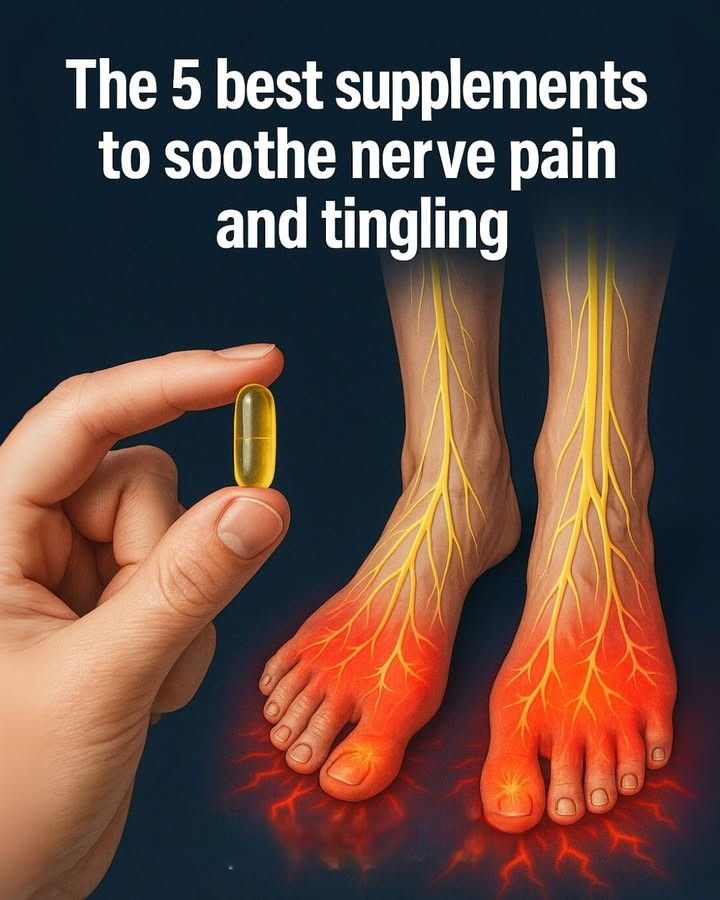
The third best supplement for peripheral neuropathy is acetyl-L-carnitine, also known as ALCAR. This is an amino acid and a powerful antioxidant that plays a critical role in your body’s energy production. Specifically, it’s vital for fatty acid metabolism within your mitochondria—the powerhouses of your cells. For your nerves, ALCAR is important in controlling nerve growth factors and the neurotransmitters that your nervous system uses to communicate.
What makes ALCAR so compelling is the strength of the research behind it. Many studies, including randomized, double-blind, placebo-controlled clinical trials (the gold standard of medical research), have shown that ALCAR effectively alleviates nerve pain. It has also been shown to increase vibration perception in patients with neuropathy, particularly diabetic neuropathy, which is a sign of improved nerve function. If you’re looking for a supplement with solid scientific backing for nerve pain, ALCAR is one of the top contenders. Typical dosages used in studies are between 2 to 3 grams daily. As with the others, please consult your physician before adding it to your regimen.
2. Curcumin
Our runner-up for the best supplement is curcumin, a true superhero in the world of natural compounds. Curcumin is the biologically active component found in the delicious Asian spice, turmeric. For more than 4,500 years, turmeric has been a staple in Ayurvedic and other traditional medicinal practices for its powerful healing properties. Modern science is now confirming what ancient healers knew all along.
Curcumin has been shown to help with a vast array of inflammatory conditions, from joint pain to stomach problems, high cholesterol, and even anxiety. In fact, some studies have found it works as well or even better than non-steroidal anti-inflammatory drugs (NSAIDs) like ibuprofen for treating joint pain. For neuropathic pain, curcumin works its magic through several routes. It inhibits specific enzymes and proteins related to nerve pain and reduces general inflammation by lowering inflammatory markers like TNF-alpha. While large-scale clinical trials specifically for curcumin and peripheral neuropathy are still somewhat sparse, the combination of its proven track record for pain and inflammation, strong basic science, and a wealth of positive anecdotal data makes it a powerful tool.
If you want to get the benefits of curcumin, simply adding more turmeric to your food probably won’t be enough. Turmeric spice is only about 3% curcumin by weight, so it’s very difficult to eat enough to reach the concentrations used in clinical trials. This is where supplements come in. When you choose a curcumin supplement, make sure it includes piperine (an extract from black pepper, often listed as BioPerine). Piperine is crucial because it increases your body’s absorption of curcumin by an incredible 2,000%! Without it, most of the curcumin will pass through your body without being used. Dosages in studies typically range from 500 milligrams to 2 grams of curcumin per day.
1. Alpha-Lipoic Acid (ALA)
Continue reading by clicking the ( NEXT 》 ) button below !
